
Small Detail, Big Difference
Kitchen Handle Replacement Milton Keynes
Give cupboards and drawers a fresh finishing detail. Get a Free Estimate
New Handles for Existing or Replacement Kitchen Doors
Handles are among the most frequently touched parts of a kitchen, and their shape, finish and position can strongly influence how the cabinets look. Old handles can become scratched, loose, tarnished or simply feel dated. Replacing them is a relatively focused change that can work well on its own or as the finishing detail on new kitchen doors and drawer fronts.
The right replacement depends partly on the holes and fixings already present. Where new handles match the existing drilling centres, the change can be straightforward. A different handle size or style may require more consideration, particularly if previous holes would otherwise remain visible. We look at the existing doors and discuss practical options before fitting begins.
Kitchen Doors Milton Keynes Is Proud to Serve Buckinghamshire
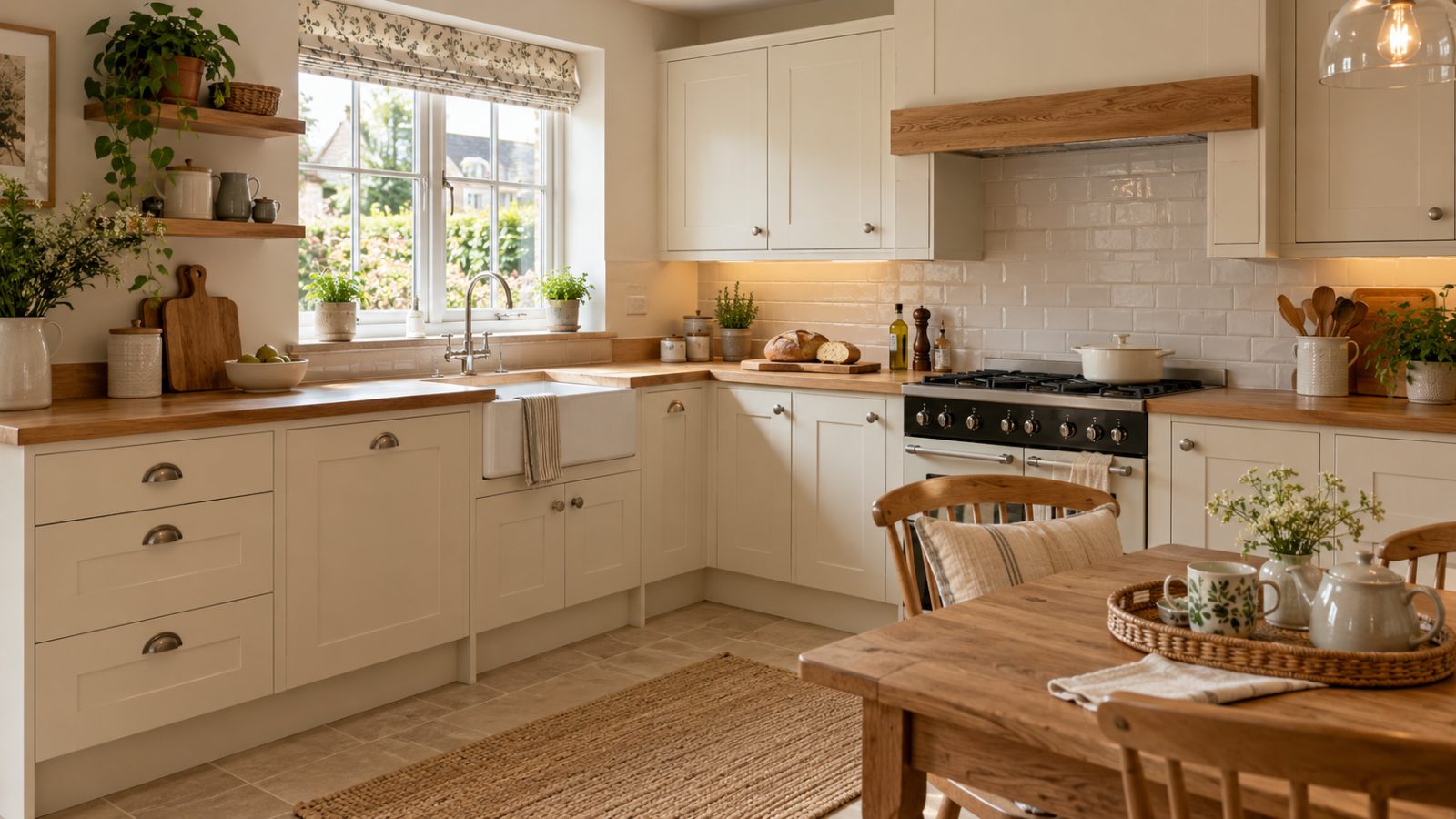
Getting Kitchen Handle Replacement Right
A handle is small compared with a cabinet door, but repeated across a kitchen it becomes an important design element. Consistent positioning and sensible use matter.
Checking Existing Hole Centres
Many handles are fixed through two holes, and the distance between those fixing points influences which replacements can be fitted directly. Matching the existing centres can avoid unnecessary drilling or visible marks. If the preferred new handle uses different centres, we assess whether the current door fronts make that practical.
Choosing a Suitable Style
Handles need to suit both the look of the door and the way the kitchen is used. Slim bar handles, simple pulls and more traditional shapes all create a different impression when repeated across the room. The finish can also connect with taps, appliances or lighting, although everything does not need to match exactly.
Comfort and Clearance
A handle should be comfortable to grip and should not interfere with neighbouring doors, walls or appliances. Some oversized or projecting designs can create unexpected clearance problems in tight areas. We take practical use into account alongside appearance, particularly on corner units and closely spaced drawer fronts.
Consistent Positioning
Handles look best when their positions follow a clear pattern across doors and drawers. Even small variations can become noticeable when several cabinets sit side by side. Careful marking and fitting help keep those repeated lines visually consistent.
Part of a Wider Refresh
New handles can help replacement doors feel finished, especially when the old hardware would clash with the updated colour or style. They are often one of the final decisions in a door replacement project. Planning them at the same time as the fronts makes it easier to consider drilling positions before installation.
Typical Kitchen Handle Replacement Budget Guide
| Service | Estimated Cost | Average |
|---|---|---|
| Small kitchen handle change | £120–£250 | Around £185 |
| Typical full-kitchen handle replacement | £200–£450 | Around £325 |
| Larger kitchen or premium hardware | £350–£800+ | Around £575 |
Planning figures vary according to handle quantity, hardware cost, existing hole centres, drilling requirements and whether replacement is completed alongside new doors.
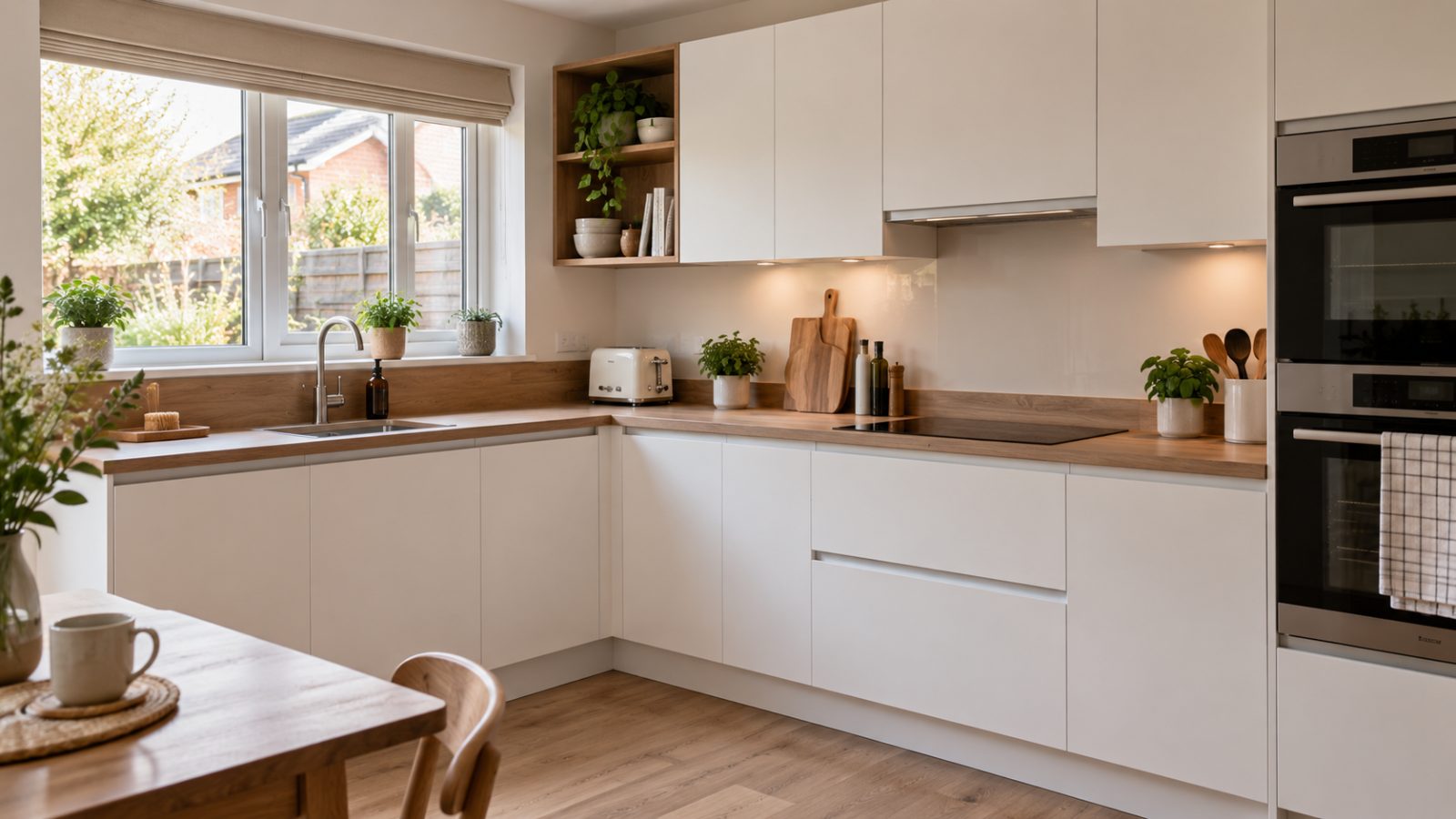
Why Choose Us for Kitchen Handle Replacement?
We check before drilling
Existing fixing holes and the proposed new handle size are considered before irreversible changes are made.
Consistent placement
Careful positioning helps handles sit evenly across repeated doors and drawer fronts.
Practical choices
We consider grip and clearance as well as appearance, especially in corners and around appliances.
Easy to coordinate
Handle changes can be planned alongside replacement doors and drawers as part of the same refresh.
Contact Us Today for a Free Estimate
New handles can be a simple standalone improvement or the final detail that brings replacement doors together.
Free — no obligations
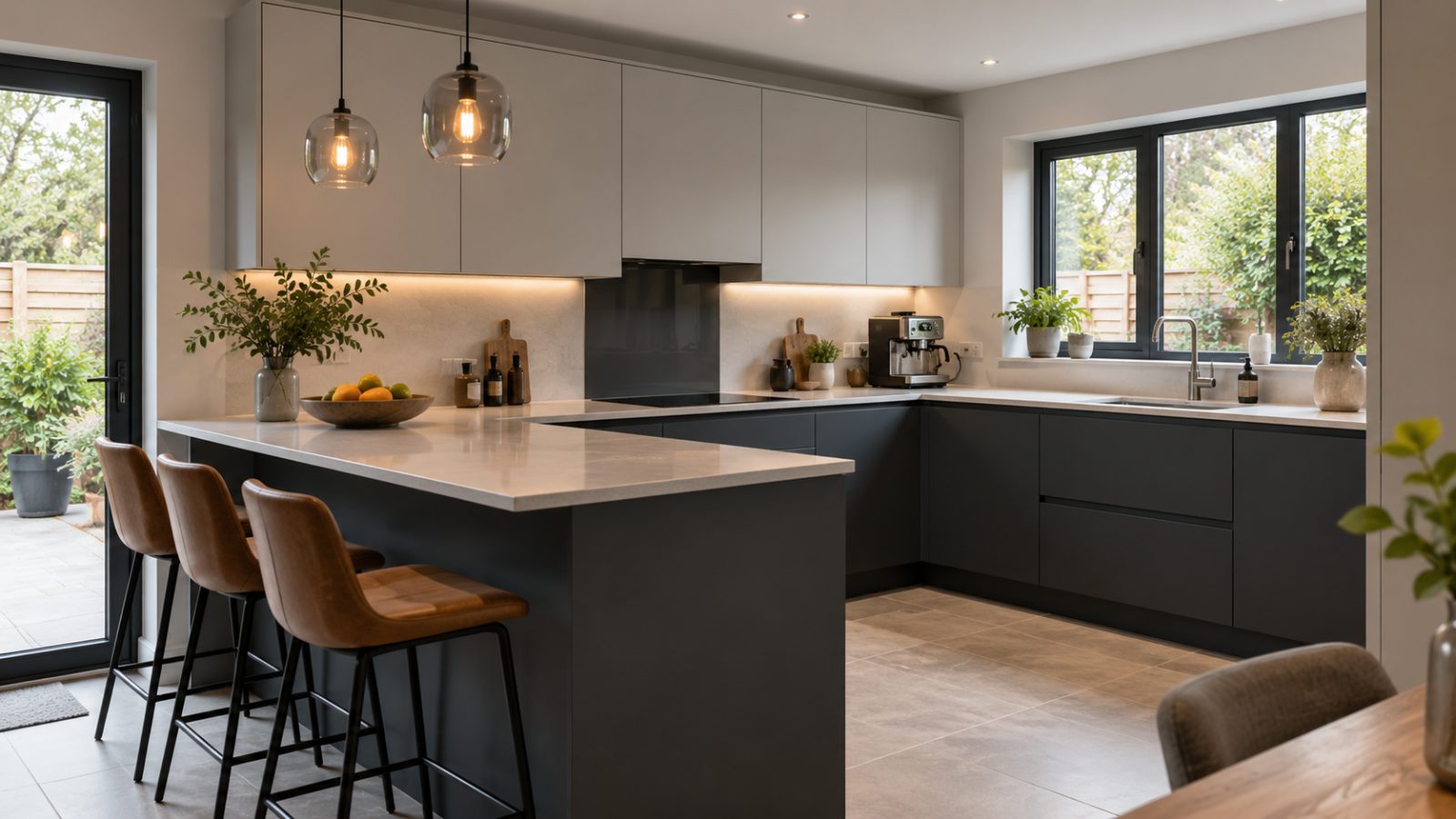
Our Kitchen Handle Replacement Process
Check the existing handles
We review the current fixing pattern, door material and any visible wear around the hardware.
Confirm the replacement style
The new handles are considered for size, finish, comfort and compatibility with existing holes.
Mark positions
Where drilling is required, positions are set out consistently across doors and drawers.
Fit the new hardware
Handles are secured with attention to alignment and appropriate tightening.
Check use and clearances
Doors and drawers are opened to make sure the new hardware works comfortably in everyday use.